

A plan to bring hundreds of housing options to a prime spot along Independence Boulevard has hit pause, stirring up strong opinions in the Wilmington community. While developers envisioned new homes and apartments, many residents are rallying to preserve the land as a green space, dubbing it a potential “Airlie 2.0.”
The City of Wilmington was set to review a proposal to rezone nearly 61 acres at 3990 Independence Boulevard. The plan, submitted by Northwood Ravin, included 512 apartments, 45 townhomes, and 25 single-family homes. Most of the land not slated for construction would remain wetlands and flood zones. However, the proposal was recently withdrawn without explanation, leaving its future uncertain.
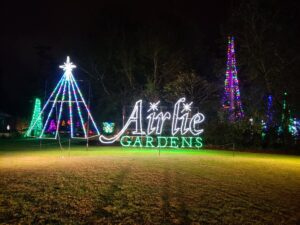
For those unfamiliar, Airlie Gardens is a historic public garden in Wilmington, renowned for its lush landscapes, massive live oaks, seasonal blooms, and tranquil water views. It’s a favorite spot for residents and visitors alike, offering a peaceful escape and a connection to nature. The idea of creating a similar space on Independence Boulevard—a sort of “Airlie Gardens 2.0”—has captured the imaginations of many who value conservation over development.
This tract of land has a complicated history. Once owned by Flossie Bryan, her will originally left the property to the county for a park or community garden. But legal battles over her mental capacity to revoke the will led to an agreement in 2006 dividing ownership. Two-thirds went to New Hanover County, while the remaining third was retained by Bryan’s heirs. In 2022, a court ruling clarified the county as the sole owner of the land, with a plan to sell it for its “highest and best use,” splitting proceeds with the heirs.
The county’s involvement has fueled discussions about the property’s future. While some support rezoning for residential development, others argue it should be conserved. Concerns over overdevelopment, increased traffic, and Wilmington’s shrinking natural spaces have dominated community conversations.
For many, the vision of a preserved green space aligns with Flossie Bryan’s original intent and addresses Wilmington’s pressing need for flood mitigation and wildlife conservation. The idea of creating another “Airlie Gardens” resonates with residents eager to maintain the city’s natural beauty.
The future of this land remains a hot topic, and its outcome will likely shape the community for years to come. Should it become a neighborhood or a park? The debate is far from over.