
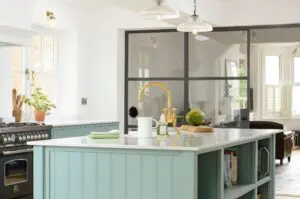
For a long time, open-concept kitchens were seen as the ultimate selling point—especially in coastal communities like Wilmington. Bright spaces, long sightlines, and kitchens that flowed right into living areas felt perfect for beach-town living and entertaining.
And in many ways, they still are.
But as more buyers tour homes in Wilmington—especially those relocating from out of state—there’s a noticeable shift in what people are responding to. They want openness, yes. Just not all the way open.
That’s where the idea of the “broken kitchen” comes in, and it’s quietly becoming one of the most appealing layouts buyers are seeing along the coast.
What a “Broken Kitchen” Looks Like in Wilmington Homes
A broken kitchen isn’t closed off like older historic layouts, and it’s not a wide-open great room either. It sits right in the middle.
In Wilmington-area homes, this often shows up as:
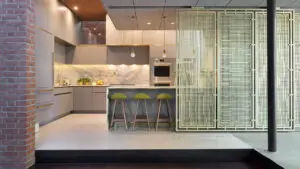
Half walls that separate cooking space from living areas
Archways that nod to Southern and coastal architecture
Glass dividers that soften noise while keeping natural light
Built-in shelving or cabinetry that subtly defines space
Kitchens that connect to living areas without fully exposing them
It feels open—but thoughtful.
Why This Matters in Coastal Living
Coastal homes are meant to feel relaxed, lived-in, and welcoming. But they’re also places where real life happens—sand gets tracked in, windows stay open, and kitchens work hard.
Buyers are realizing that:
Not every moment needs to be on display
A little separation helps with noise and clutter
Cooking smells travel fast in fully open layouts
Defined spaces can actually make a home feel calmer
Broken kitchens allow homeowners to enjoy the openness that fits a coastal lifestyle while still maintaining comfort and functionality.
A Natural Fit for Wilmington’s Mix of Old and New
One reason broken kitchens work so well here is Wilmington’s architectural diversity.
In historic neighborhoods, they respect traditional floor plans while introducing light and flow. In newer builds, they soften the sometimes stark feel of fully open great rooms. In both cases, they create spaces that feel intentional rather than trendy.
This design approach bridges the gap between classic Southern homes and modern coastal living—something Wilmington does exceptionally well.
Zoned Living for How People Actually Use Their Homes
Many broken kitchens in the Wilmington area feature zoned layouts, which buyers often appreciate more than they expect.
You’ll see:
A kitchen that feels focused and functional
Dining areas that feel connected but more relaxed
Living spaces that don’t feel like an extension of the kitchen
This zoning is especially appealing to buyers who work from home, host guests, or want flexibility without sacrificing style.
Why Relocating Buyers Are Taking Notice
For buyers moving to Wilmington from other states, broken kitchens often feel familiar—in a good way. They offer a sense of structure without feeling outdated, and they adapt easily to different lifestyles.
They provide:
Balance between privacy and connection
Design that feels timeless rather than trendy
A home that supports everyday living, not just entertaining
It’s a layout that feels easy to settle into—which matters when you’re putting down roots in a new place.
What to Watch for When Touring Homes
If you’re walking through Wilmington homes and notice partial walls, architectural details, or spaces that feel open but not exposed, that’s not a compromise.
It’s good design.
Broken kitchens reflect how people actually live here—blending comfort, function, and a relaxed coastal mindset. And for many buyers, that balance is exactly what makes a house feel like home.