
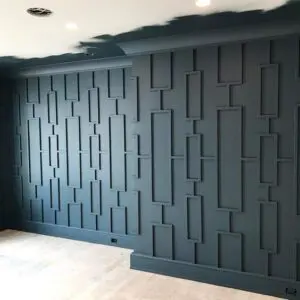
 For a long time, color did all the heavy lifting in home design. Bold blues, dramatic accent walls, statement paint choices — that’s how rooms made an impression. Lately, though, something quieter (and honestly more interesting) is happening.
Color hasn’t gone away. It’s just stepped back.
Texture is doing the talking now.
You’re seeing it everywhere, especially in coastal homes. Walls finished with plaster or Roman clay instead of flat paint. Soft, chalky limewash that shifts subtly as the light changes throughout the day. Furniture wrapped in bouclé or nubby linen instead of sleek leather or shiny fabrics. Nothing is loud, but nothing feels boring either.
That’s the magic of texture — it adds depth without demanding attention.
In coastal spaces, this approach makes perfect sense. Natural light is already a star player, and texture gives that light something to interact with. A plaster wall looks different in the morning than it does at sunset. Limewash feels soft and layered, not flat. Even neutral colors start to feel alive when they’re paired with an imperfect surface.
This trend also fits the way coastal homes are meant to feel: relaxed, grounded, and a little bit undone.
Instead of sharp lines and glossy finishes, textured materials bring in a sense of ease. Roman clay walls feel handmade. Bouclé chairs invite you to sit down and stay awhile. Woven rugs, raw wood, and stone accents quietly reinforce that connection to the outdoors — sand, shells, driftwood, and salt air, just translated into design.
Another reason texture is replacing color? It lasts.
Bright colors can feel dated quickly, but texture ages more gracefully. A neutral plaster wall doesn’t go out of style — it just becomes part of the home’s character. For homeowners (and buyers), that means spaces that feel current without being trendy.
In coastal markets especially, this layered-neutral look also photographs beautifully. Texture adds warmth and dimension in listing photos, helping rooms feel inviting rather than stark or washed out. It’s subtle, but it matters.
The takeaway is simple: if you love calm, coastal spaces but don’t want your home to feel bland, texture is the answer. Let the palette stay soft — whites, sands, warm grays — and let the surfaces do the work.
Because right now, in coastal design, it’s not about adding more color.
It’s about giving the space something to feel.